Showing posts with label Culture. Show all posts

Wednesday, August 24, 2011

San Gimignano

San Gimignano boasts the world's first skyscrapers. These towers along with the city wall served as a great defense system against enemies, specifically the Florentines. The structures were in abundance until the early 14th century when the Black Plague weakened the local army and Florence was finally able to take over. While the town was left in destitute for hundreds of years it also led to the great preservation of the remaining towers and wall. Today many tourists stroll down its quaint streets and alleyways.  

One day after class Maria invited a group of us to join her on a trip to this little town. We hopped on a bus and two transfers later we arrived on a cloudy afternoon. We had just enough time to walk around a bit, shop for some souvenirs, and eat a delicious dinner. I probably consumed the best lasagna I've ever had in my life that day. 

The town is so small that one is able to walk the entire length in about 10 minutes.  This was great because we were able to walk down most of the alleyways, talk to locals, pet cute dogs, and take in dramatic panoramic views.  There isn't a whole lot to do, but considering how close it is to Siena I would highly suggest going on an afternoon after class if you get the chance.  Walk, eat a lasagna, and breath in the fresh Tuscan air.


Tuesday, August 16, 2011

nom.

I've decided that the reason I regretfully neglected to take photos of every delicious Italian meal I consumed was because I was just having too much fun during meal times.  I did manage to remember to take a few. Here is a collection of all of the food photos I took over the summer.

1. Seafood Risotto in Vernazza, Cinque Terre. 2. Caprese Salad in Sorrento whilst watching the sunset. 
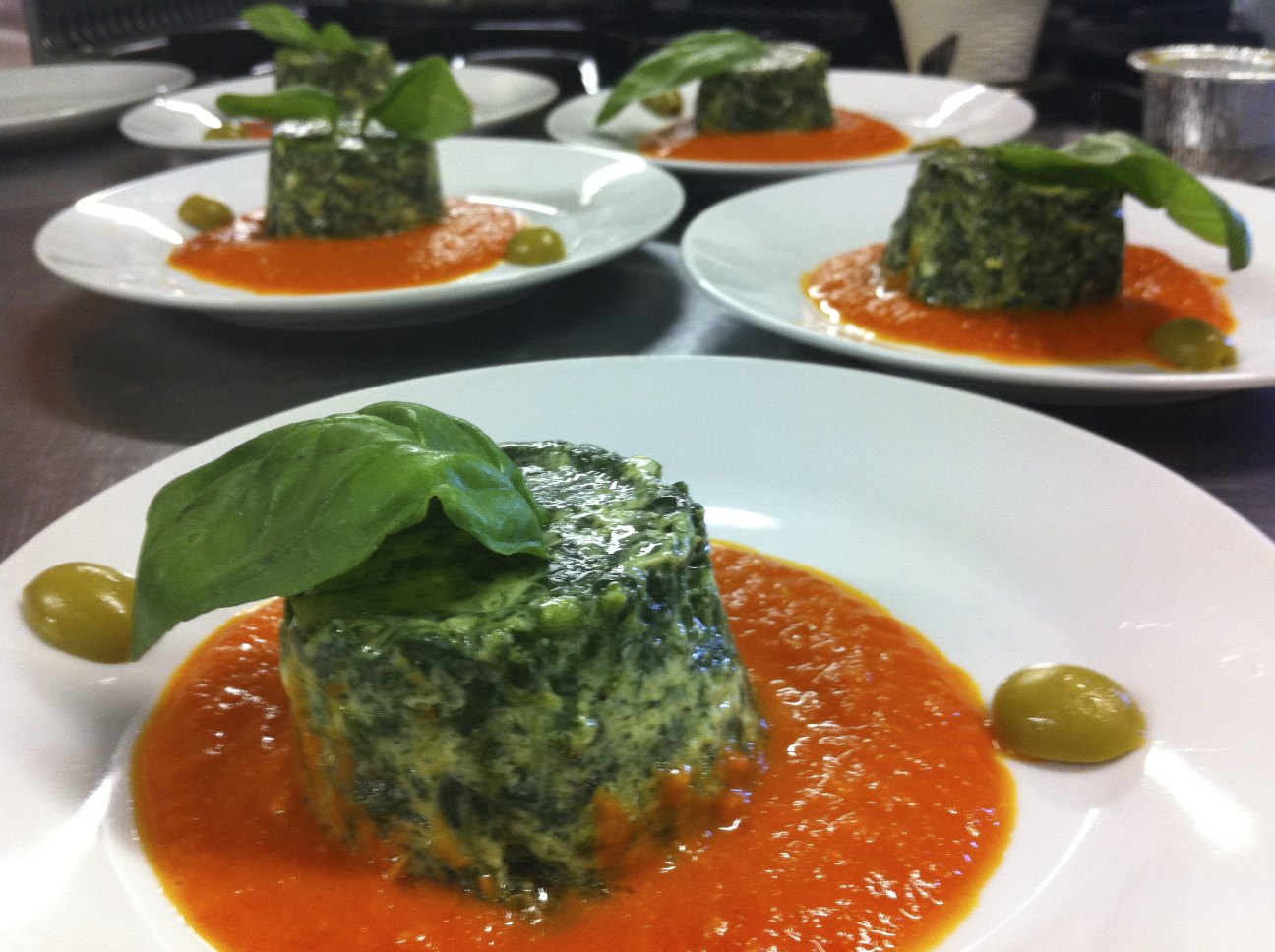
3. homemade pasta with arugula pesto, sauteed tomatoes over a bed of arugula made for our cooking class.  4. creamed spinach with tomato sauce made for our cooking class. 5. pasta frutti di mare in the middle of nowhere in Venice.  6. antipasti plate at the Panther Contrada dinner. 7. chicken cacciatore made by gabby, alison, and myself at their place.  8. meat and cheese plate at the Boar's head restaurant. 9. Pizza in Piazza del Campo (this place is right across from the great gelato place, once I remember the name I will update this.) 10. tomato with mozzarella and roast beef at Torre contrada dinner.  11. trofie al pesto at our welcome lunch at Dante Alighieri school.  12. Moulin Rouge crepes on the day I felt really homesick.  13.  my first cappuccino e cornetto in Roma.  14. lobster tail pastry and cafe in Rome.


1. Veal alla pizzaiola and roasted potatoes made for our cooking class. 2. trofie al pomodoro for our goodby lunch at Dante.  3.  bruschetta with cheese, pears, and nuts. 4. pesto pizza at Vernazza.  4. pistachio gelato in Venice.  5. my attempt at village food: tomatoes, mozzarella, basil, bread, & oil.

If you want to know where these meals specifically came from, just shoot me an email and I will give you the details!

Saturday, July 30, 2011

The Palio.


It is difficult to understand the power that the Palio has over Siena until you experience it for yourself.  


Siena is divided into Contradas, or neighborhood "clans", which used to battle for territory and for honor.  The Palio now takes the place of these age-old battles and the winner is believed to be chosen by God.  The city starts to prepare for the festivities a few weeks before the race which is held twice each summer, once on July 2 and again on August 16.  The first physical sign of the preparations is the barrier that is installed in Piazza del Campo that divides the designated areas for the horses to run and for the specators to watch.  


Next come the spectator bleacher that line the Piazza.


Flags fly high and proud.


Young men practice for the marches and parades with their flags.


Then they start to represent through the streets.


The horses are hand selected by the all of the Contradas collectively, then they are randomly assigned so that no one has a predetermined edge over anyone. I had witnessed many marches with waiving flags, banging drums, and proud Senesi singing through the street, but nothing had felt so intense up to that point as being in the Piazza for the horse drawing.  People anxiously awaited as horse selections were made and prayed that they receive best horse and that their enemy receive the worst.


In the end, a few left happy, a few left desperately miserable, and a couple of medieval rivalries came to life right in front of our eyes.  


Contrada Dinner:  Pantera.


The mix of emotions combines into one in the same for each Contrada that will run the race on the following day.  The Contradas dine in the streets and celebrate, hope and pray for their victory.  Our class had the chance to participate in this event.  It was a rare treat because these dinners are normally reserved for locals, but the Director of our school, Luca Bonomi, arranged for us to participate in this magnificent cultural event. We had a delicious meal and enjoyed some great local wine, but the best part of it was being in the middle of this Senesi dinner that felt intimate and grand at the same time.  


Day of the Palio:  Time to Battle.


But first the horses must be blessed.  


Parades: more celebration and anxiety for the Contradas.


Final Moments...


All of the anticipation explodes in a ninety second race to determine the fate of the chosen Contrada.


The Oca Contrada Wins.  They will march through the streets in this fashion for weeks to come.


The Palio is awarded and people disperse to celebrate or cry.  


The physical evidence of the Palio was washed away the following morning, but we felt its presence until the day we left Siena.

Wednesday, July 20, 2011

senese cemetery


Luca gave us a tour of the local cemetery.  Italian cemeteries are usually on the outskirts of town, which meant that Siena's case it had some of the best views around. When we first walked in it looked as if the entire grounds were relatively small, but as we continued to explore we discovered a whole other section that expanded down the hill.  Every citizen is guaranteed a proper burial by the city so after 100 years of being buried, the bodies are exhumed and cremated in order to make room for the more recently deceased.  

During our impromptu tour, Luca told us a few anecdotes about the cemetery.  One in particular stood out as characteristically Senese.   He said that a woman was once buried on the northern end of the cemetery to the dismay of her daughter.  She did not want her mother placed in that specific spot and petitioned for the city to move her.  Upon this request she was required to give an explanation.  She explained that since her mother was from the Tower contrada, she would not want to live in eternity overlooking the Duck contrada (the Tower's archenemy). After hearing this explanation the city decided that this was a very good reason and granted the daughter's request.  The mother was moved to a spot that was out of the Duck's sight. 

While story made us chuckle it also gave us a good idea of the relationship between this particular city and its citizens.  While there is definitely a cohesiveness in Siena amongst its citizens, rivalries and deep histories are maintained and honored by almost everyone.


Wednesday, July 13, 2011

cooking class

Eleven of the UIC students signed up for one of the cooking classes offered at Dante.  We learned how to make an entire Italian dinner from scratch from a true Italian chef.  This lesson not only allowed us to sharpen our skills in the kitchen, but it also helped us further our language skills as the chef only spoke Italian.  We all managed to learn enough to make our own pasta, pesto, tomato sauce, roasted potatoes, creamed spinach, veal alla pizzaiola, and dessert.  To top the experience off, we ate our delicious creations on a terrace overlooking the Tuscan countryside.  We were a happy (and very full) bunch.